
BAGS & SACKS AUTOMATION
Automated Bag Palletizing Solutions
From bag discharge and conveying to shaping, palletizing and finished pallet handling — configured around your bag type, production rate and existing line.
WHERE SHOULD YOUR AUTOMATION START?
Flexible Starting Points for Your Project
You don’t need to replace your entire production line to introduce automation. ATOP can develop the project around your existing process — whether automation starts with packaging, connects to existing equipment, begins at palletizing, or extends beyond the finished pallet.
01
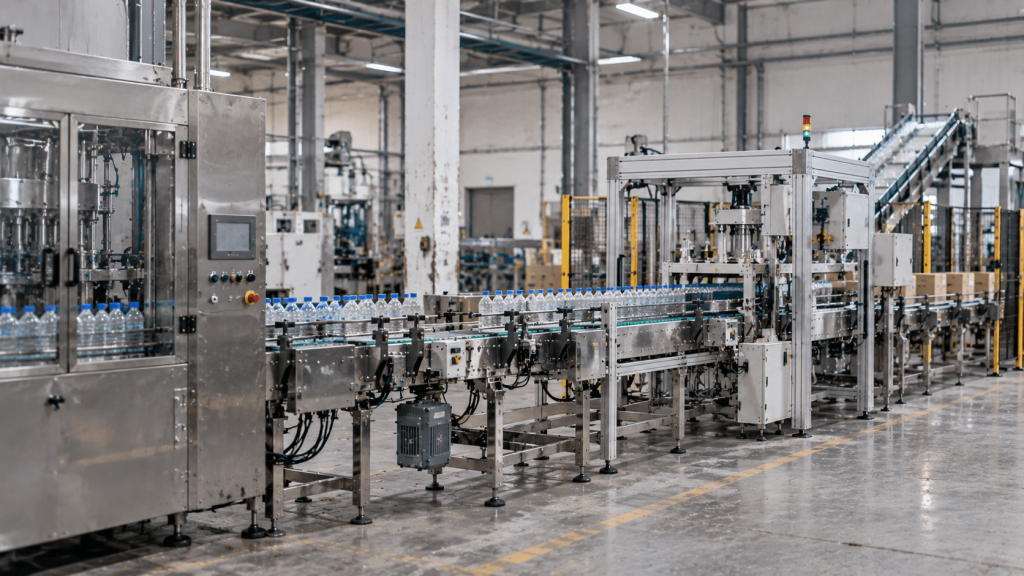
Start From Packaging
Need to automate secondary packaging and everything that follows? We can configure packing, conveying, palletizing and downstream handling around your product and required output.
02
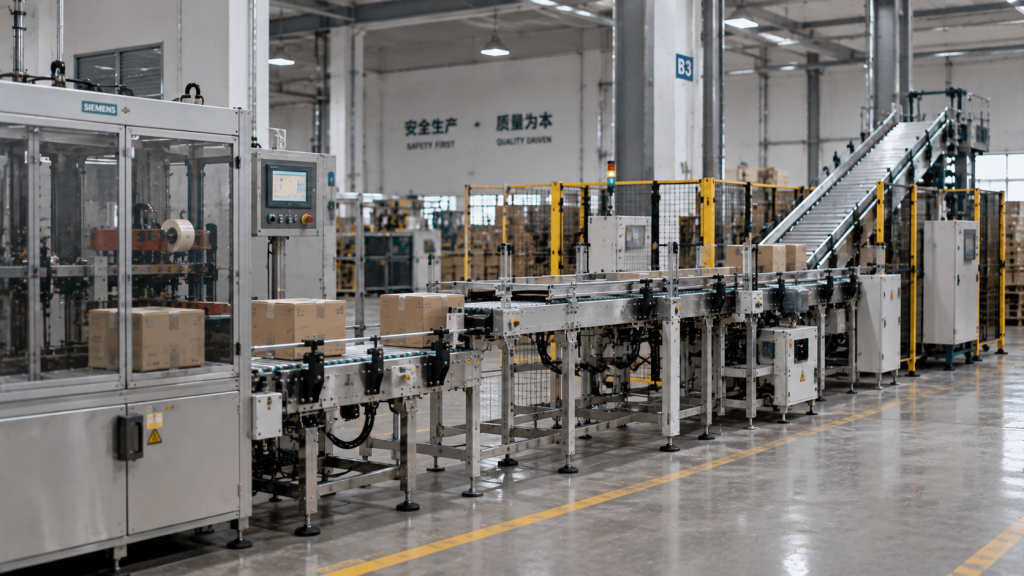
Integrate With Existing Equipment
Already have filling, packing, sealing or labeling equipment? Suitable existing machines can remain in the line while new conveying, handling and downstream automation are integrated around them.
03
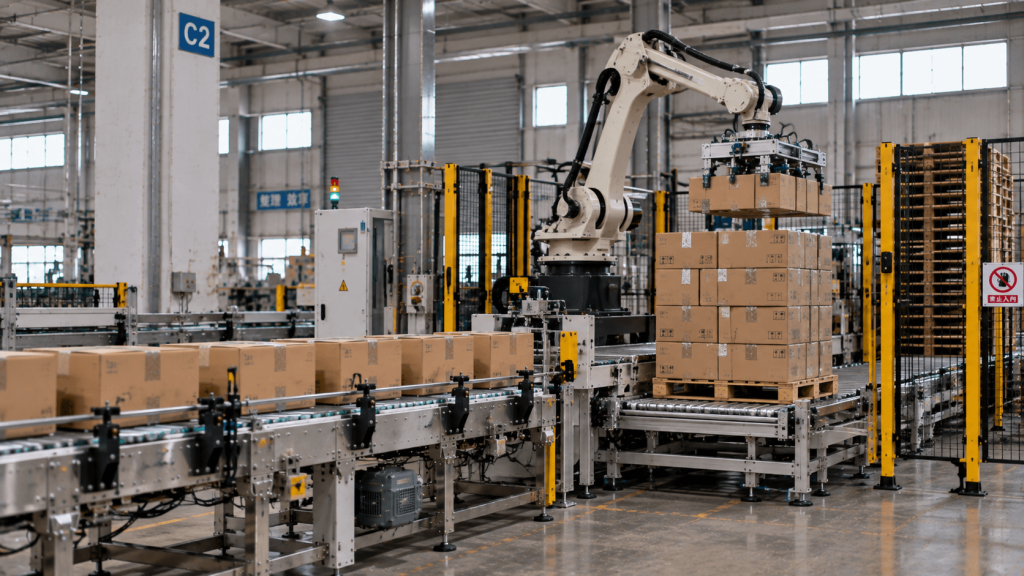
Start From Palletizing
If your products are already packed and ready for palletizing, ATOP can configure the palletizing cell together with product infeed, pallet handling and load securing.
04
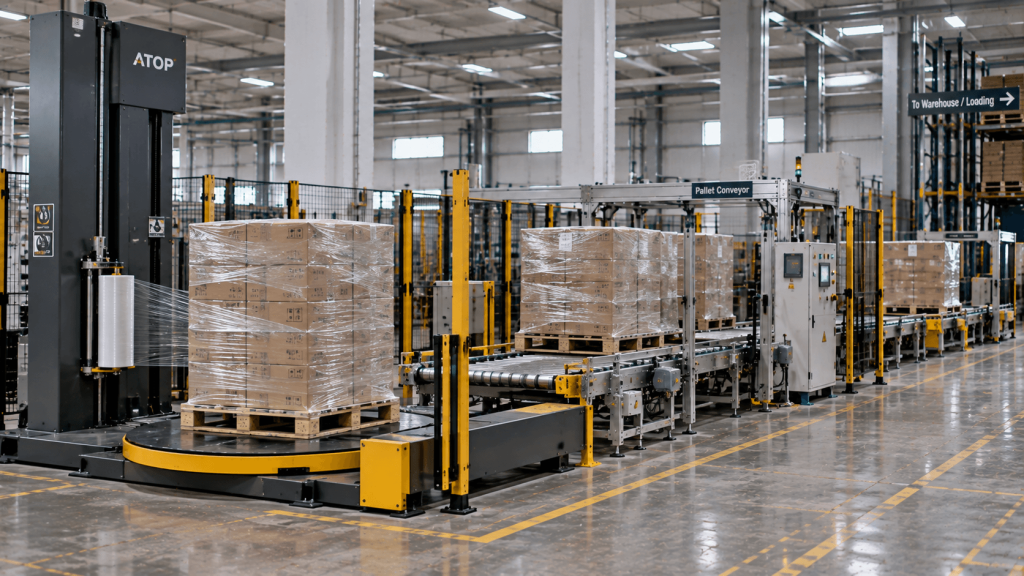
Extend Beyond Palletizing
Continue automation after palletizing with load securing, pallet conveying, transfer, buffering and interfaces for AGVs, warehousing or loading operations.
IS THIS YOUR APPLICATION?
Suitable for a Wide Range of Bagged Products
ATOP bag palletizing solutions can be configured for different bag materials, sizes, weights and production requirements across food, feed, chemical, agriculture and building-material applications.
Not sure whether your bag is suitable for automated palletizing? Send us the bag size, weight, material and production rate for evaluation.
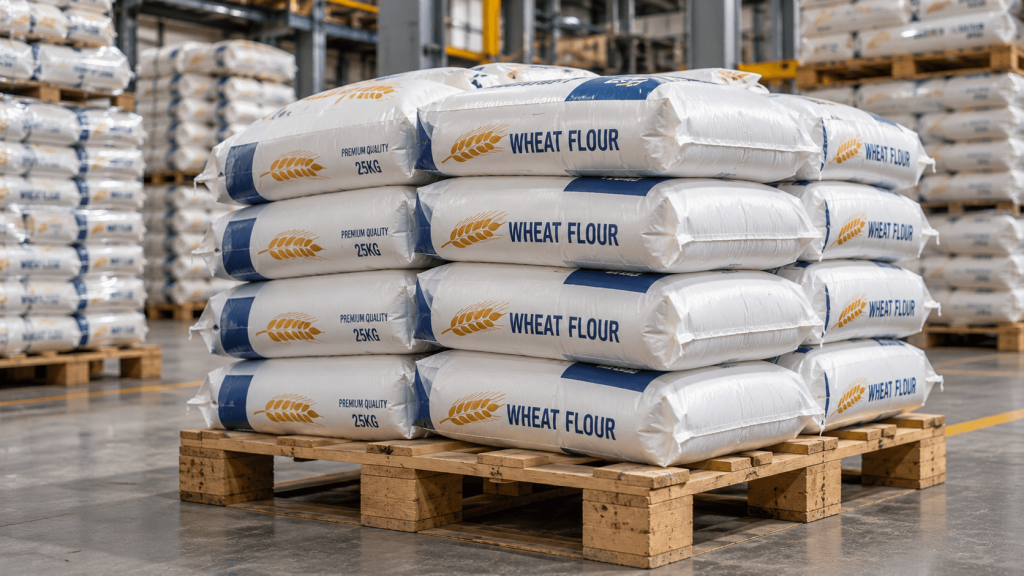
Fertilizer Bags

Food & Flour Bags

Feed Bags
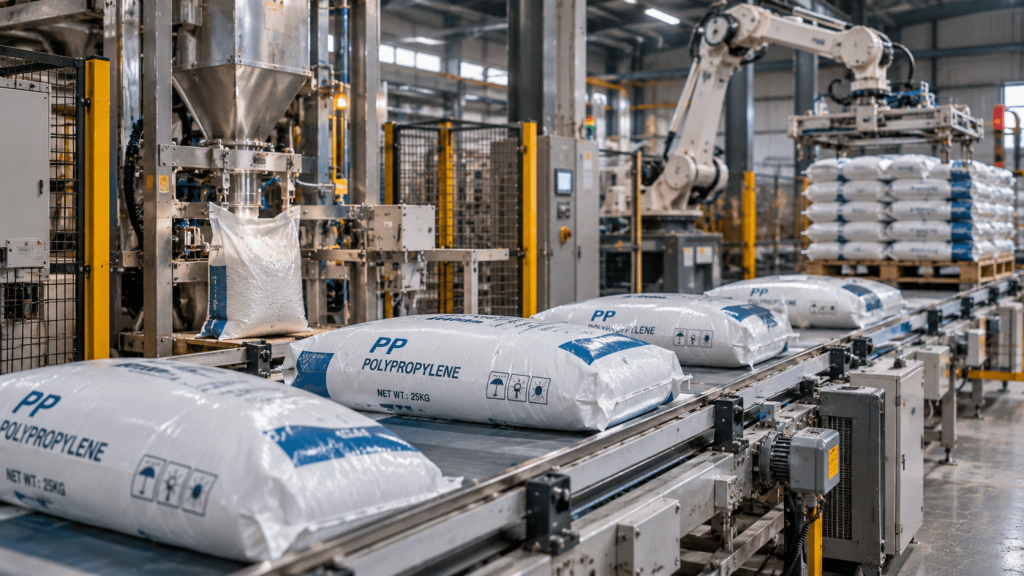
Chemical Bags

Building Material Bags

Other Bagged Products
WHAT DO YOU NEED TO AUTOMATE?
Choose the Right Starting Point for Your Line
Your project does not have to start from a complete new line. ATOP can configure the automation scope around your existing equipment, current handling process and production goals.
01 · EXISTING LINE INTEGRATION
I Already Have a Packaging Line
Keep your existing bagging or packaging equipment and connect it with automated conveying, positioning and palletizing.
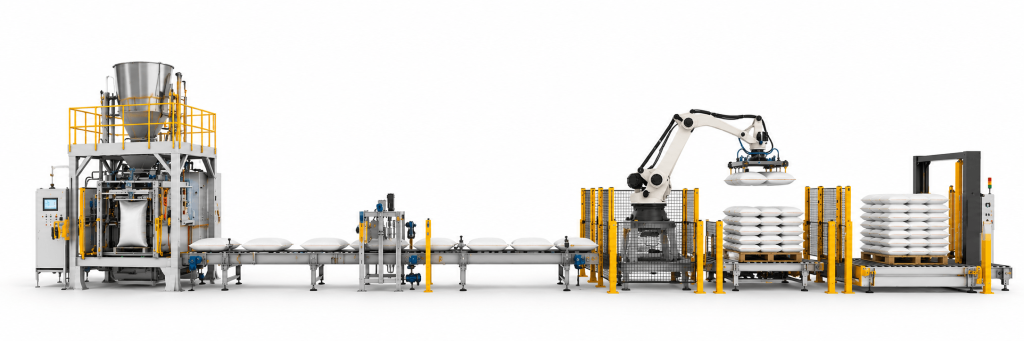
Existing Packaging
Conveying
Palletizing
02 · INTEGRATED AUTOMATION
I Need Packaging + Palletizing
Build an integrated process from bag filling and packaging through conveying, palletizing and finished pallet handling.

Bagging
Conveying
Palletizing
Load Handling
03 · AUTOMATION UPGRADE
I Want to Replace Manual Palletizing
Upgrade repetitive manual bag stacking with an automated palletizing system configured around your existing production flow.
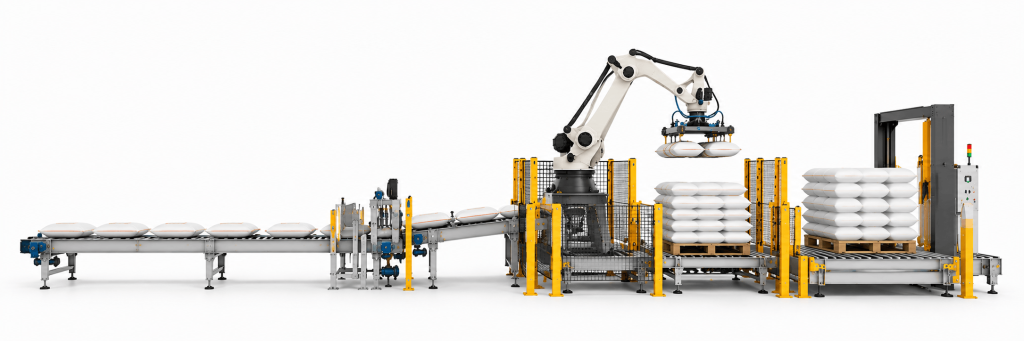
Existing Production
Automated Palletizing
Pallet Outfeed
HOW THE SYSTEM WORKS
From Filled Bag to Finished Pallet
A bag palletizing system can include different handling stages depending on your existing equipment, bag characteristics and required automation scope.
Not every project requires every stage. The final process is configured around your actual production line.
01
→

Bag Infeed
Filled bags enter the downstream handling system from the existing packaging process.
02
→

Conveying & Shaping
Bags are transferred, positioned and shaped when required for stable pallet formation.
03
→
Automatic Palletizing
Bags are arranged and stacked automatically according to the required pallet pattern and layer configuration.
04
→

Load Securing
Finished pallet loads can be wrapped or secured when required for storage and transportation.
05

Pallet Outfeed
Completed pallets are transferred downstream for forklift pickup, warehousing or further logistics handling.
How does an automated bag palletizing line work?
An automated bag palletizing line receives filled bags from the packaging process, conveys and prepares them for handling, stacks them automatically onto pallets, and transfers the finished loads for securing, storage or downstream logistics.
PALLETIZING CONFIGURATIONS
Which Palletizing Configuration Fits Your Application?
Different bag types, production rates, pallet patterns and line conditions may require different palletizing approaches. ATOP evaluates the application first, then configures the handling and palletizing system around the actual production requirements.

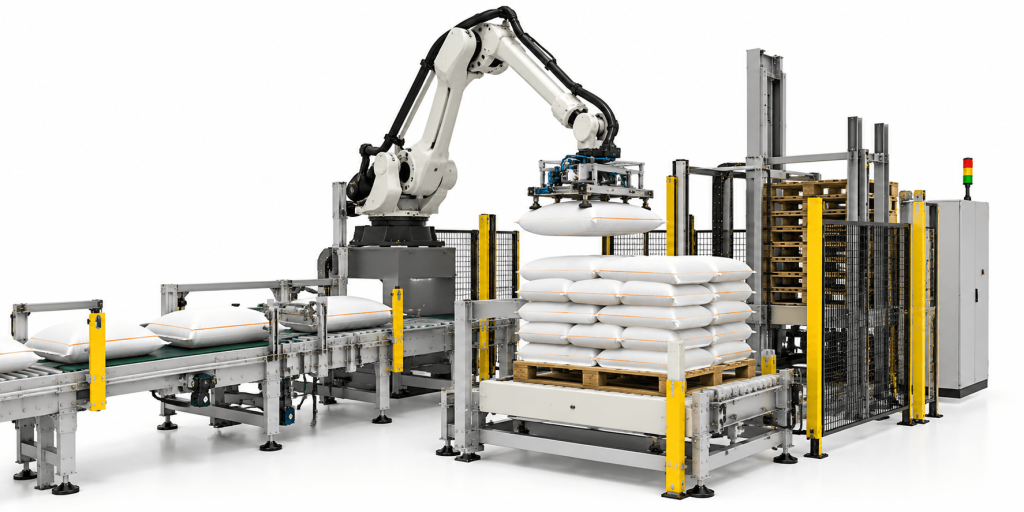
Robotic Bag Palletizing
A flexible configuration for applications requiring different bag sizes, pallet patterns or production formats.
Best evaluated when:
- Multiple bag sizes or SKUs are involved
- Pallet patterns may change
- Flexible production is important
- The available layout requires an adaptable configuration
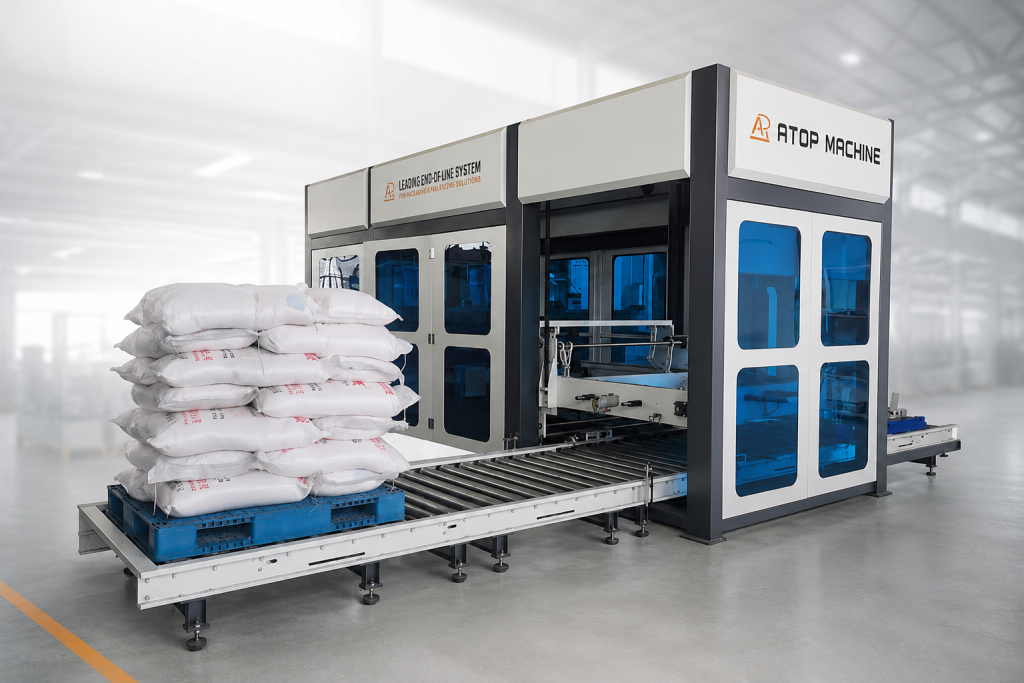
High-Speed Layer Palletizing
Designed for continuous bag production where stable product flow, repeatable pallet patterns and higher throughput are key requirements.
Best evaluated when:
- Production runs continuously
- Bag specifications are relatively stable
- Pallet patterns are standardized
- Higher sustained throughput is required
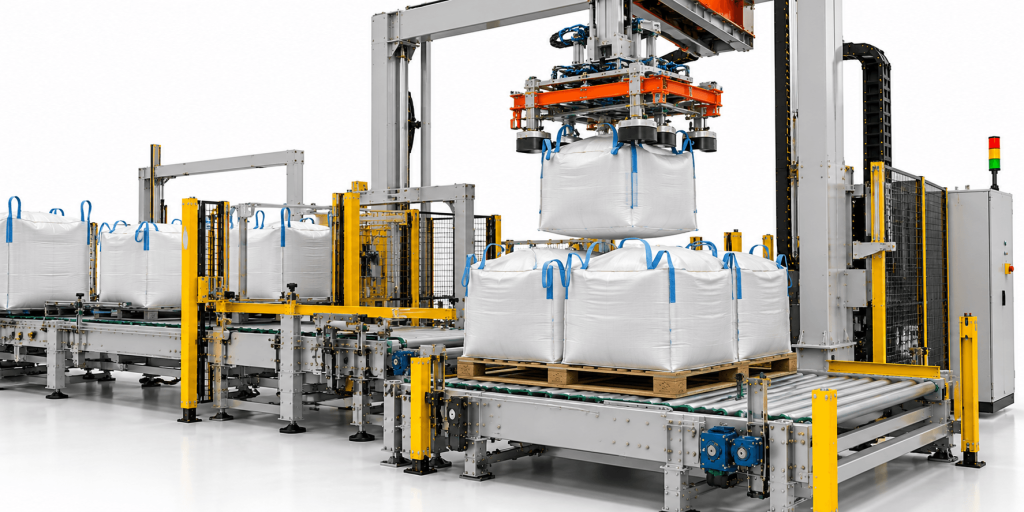
Application-Specific Bag Handling
For bags that require additional handling, conditioning or customized end-of-arm tooling before stable palletizing can be achieved.
Best evaluated when:
- Bags are heavy or difficult to handle
- Bag shape is unstable or easily deformed
- Special positioning or shaping is required
- Standard gripping methods are not suitable
The right palletizing configuration is determined by the complete application — not by production speed alone.
Bag material, weight, dimensions, product behavior, pallet pattern, available space, upstream equipment and downstream handling should all be evaluated together.
ENGINEERED AROUND YOUR LINE
What Determines the Right Bag Palletizing Solution?
A reliable palletizing solution is not determined by bag type or production speed alone. The complete configuration should be engineered around your product, pallet requirements, existing equipment, available space and downstream handling process.
BAG CHARACTERISTICS
What Are You Palletizing?
Bag dimensions, weight, material, surface condition and product behavior all affect conveying, gripping and pallet stability.
Size & Weight
Bag Material
Shape & Stability
PRODUCTION REQUIREMENTS
How Fast Does the Line Need to Run?
Required output, production rhythm and the number of incoming lines help determine the appropriate palletizing configuration.
Bags / Minute
Number of Lines
Continuous or Batch Production
Pallet Requirements
How Should the Finished Pallet Be Built?
Pallet dimensions, stacking pattern, layer arrangement and required load height influence both handling design and palletizing strategy.
Pallet Size
Stacking Pattern
Load Height
EXISTING EQUIPMENT
What Equipment Is Already in Place?
Existing bagging machines, sealers, conveyors and production-line interfaces should be evaluated before defining the automation scope.
Bagging Equipment
Existing Conveyors
Line Interface
FACTORY LAYOUT
How Much Space Is Available?
Floor space, ceiling height, column positions, operator access and safety clearances can directly affect the final system layout.
Floor Space
Ceiling Height
Access & Safety
Downstream Handling
What Happens After Palletizing?
Finished pallets may require wrapping, conveyor transfer, forklift pickup, buffering or connection to warehouse and AGV systems.
Load Securing
Pallet Transfer
Warehouse / AGV Interface
Every Project Starts with the Actual Production Conditions
Send us your bag specifications, required output, pallet information, existing line photos or videos and available layout. These details allow our engineering team to evaluate the handling method, palletizing configuration and system scope more accurately.
REAL ATOP PROJECTS
Bag Palletizing Systems in Real Applications
See how ATOP bag palletizing systems are configured for different products, handling requirements and production environments.
Actual system configurations vary according to bag specifications, required output, pallet pattern and site conditions.
FEATURED PROJECT
Robotic Bag Palletizing System
Product
Bagged product
Handling
Automatic conveying + robotic palletizing
Palletizing
Customized pallet pattern
System Scope
Infeed conveying · Robotic palletizing · Pallet handling
Heavy Bag Palletizing
Automated handling and palletizing for heavier bagged products.
Application: Heavy Bags
Configuration: Robotic Palletizing
High-Output Bag Palletizing
Continuous bag handling and palletizing configured for higher production requirements.
Application: Bagged Products
Configuration: High-Output System
Integrated Bag End-of-Line System
Integrated conveying, palletizing and finished pallet handling for a continuous downstream process.
Scope: Conveying + Palletizing
Integration: End-of-Line Automation
BAG PALLETIZING FAQ
Common Questions About Bag Palletizing Automation
Practical answers to common questions about system integration, bag handling, palletizing configuration and project planning.
Can the system connect to my existing bagging machine?
Yes. A bag palletizing system can be integrated downstream of existing bagging, sealing or packaging equipment. The required conveyor interface, bag positioning and control connection are evaluated according to the existing production line.
Which palletizing method is suitable for my bagged products?
The appropriate method depends on bag characteristics, required output, pallet pattern, production flexibility and available space. Robotic palletizing is often evaluated for flexible or multi-format applications, while layer-based configurations may be considered for stable, continuous production with higher throughput requirements.
How much factory space is required?
There is no single standard footprint. The required space depends on the palletizing method, infeed direction, number of production lines, pallet handling requirements, safety guarding and downstream equipment. A factory layout or basic site dimensions help determine a suitable arrangement.
Can one palletizing system handle different bag sizes?
In many applications, yes. The suitable configuration depends on the range of bag dimensions, weights, materials and required pallet patterns. For multi-format production, the handling method, gripper design and changeover requirements should be evaluated together.
Can stretch wrapping be integrated after palletizing?
Yes. When required, stretch wrapping can be integrated with pallet conveying and finished-load handling to create a continuous end-of-line process from palletizing to secured pallet outfeed.
What information do you need to prepare a proposal?
To evaluate a bag palletizing project, we typically need the bag dimensions and weight, bag material, required production rate, pallet size, pallet pattern or stacking requirements, existing equipment information and available factory layout. Photos or videos of the current production line are also helpful.
START YOUR PROJECT
Tell Us About Your Bag Palletizing Project
Share your bag specifications, production requirements and current line conditions. ATOP will evaluate the application and recommend a suitable palletizing and system integration approach.
Not all project details are available yet? Send us what you already know — photos or videos of the current line are also helpful.